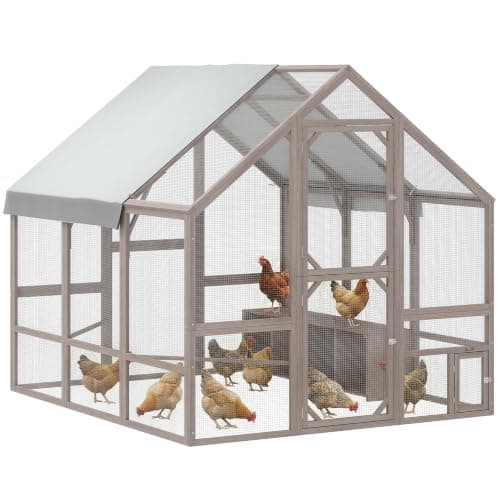
Best for 6 Hens
PawHut Large Wooden Chicken Coop, 83in x 73in x 73in
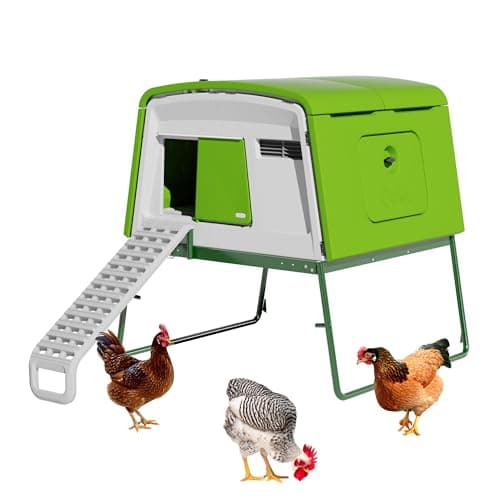
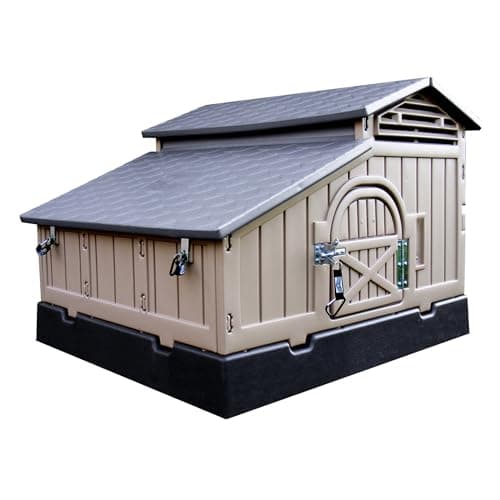
The rare large coop that publishes all three dimensions: 83 x 73 x 73 inches for 8-10 hens. 73 inches of height is the number that matters — you can stand up inside it to clean.
For first-time flock keepers
Trusted, plain-English picks for your first flock — sized by how many chickens you actually have.
The current top pick from each of our main rankings, with a live price and a direct buy link. Tap the tile for the full comparison that produced it.
Best for 6 Hens
The rare large coop that publishes all three dimensions: 83 x 73 x 73 inches for 8-10 hens. 73 inches of height is the number that matters — you can stand up inside it to clean.
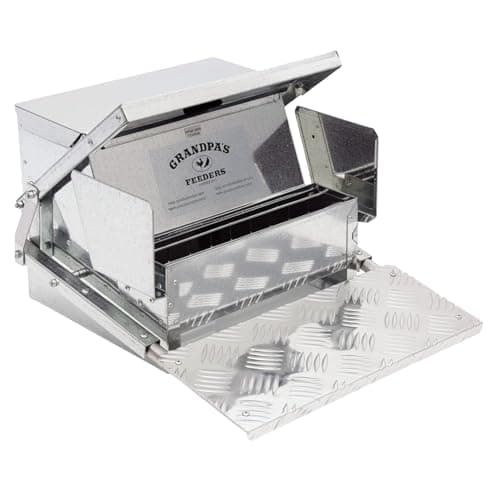
Best Treadle Feeder
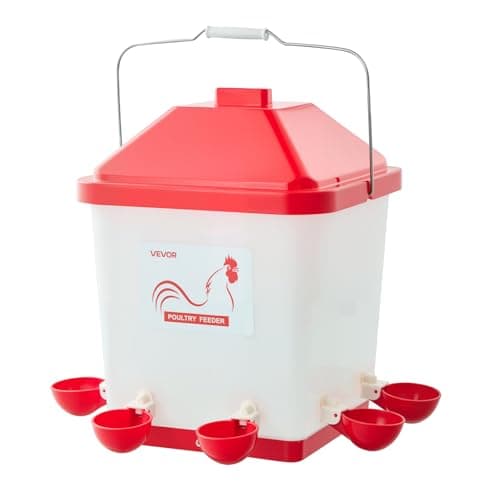
The treadle feeder everything else copies. The hen's weight on the step opens the lid; a rat is too light and a sparrow cannot work it at all. 20 lb is right for up to about six hens.
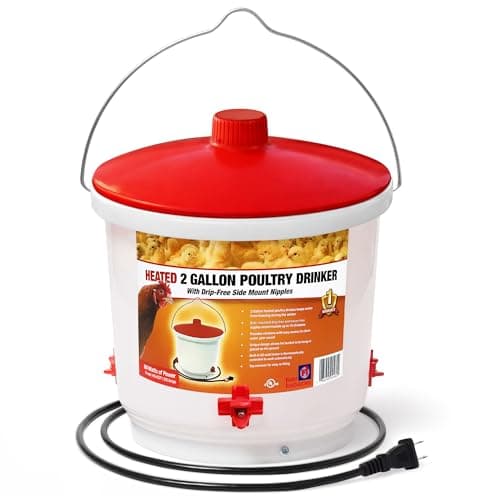
Best Heated Waterer
Two gallons with a 60-watt thermostatically-controlled element built in. Published wattage, published capacity, and the heater is integrated rather than bolted on — the fewest failure points of any heated option.
Top pick: Farm Innovators HB-60P Heated Poultry Waterer, 2 Gallon 60W
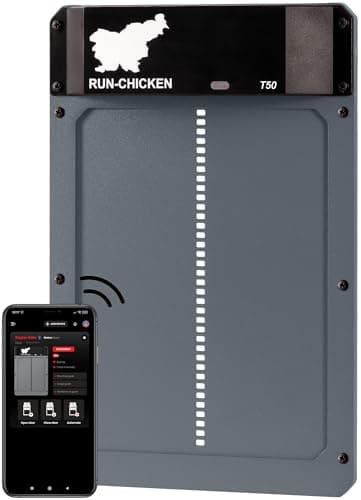
Best Automatic Door
A battery-powered weatherproof aluminum door with app and timer control. Aluminum rather than plastic is the specification that matters: a raccoon can work at a plastic door for hours, and it has all night.
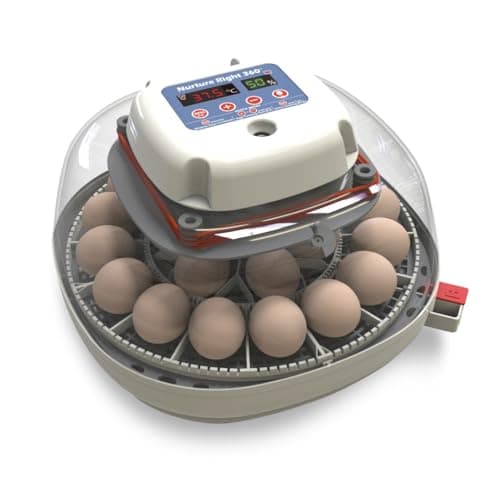
Best Overall Incubator
22 eggs, an automatic turner and a 360-degree view, from an established poultry-equipment brand. It sits exactly where a first incubator should: enough capacity to be worth running, simple enough to get right.
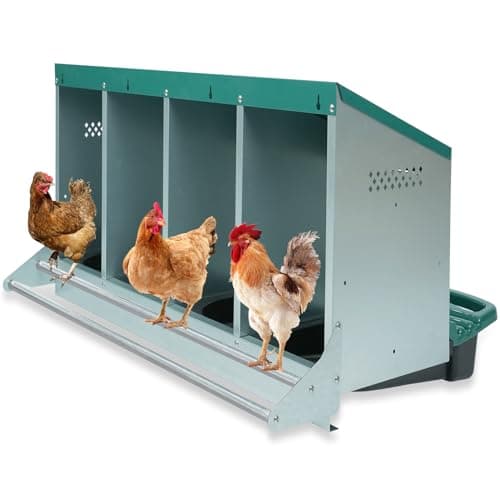
Best Roll-Away Box
Four roll-away holes in heavy-duty metal. Roll-away is the single best upgrade for egg cleanliness: the egg leaves the nest the moment it is laid, so it cannot be stood on, pecked or soiled.
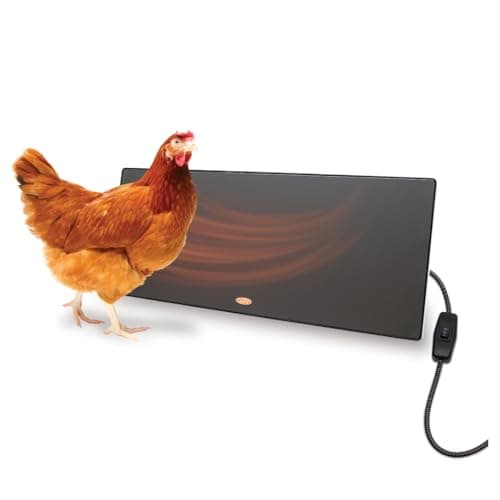
Safest Coop Heater
A 150-watt flat radiant panel that mounts on a wall. There is no bulb to shatter and no element hot enough to ignite bedding, which is the whole argument against heat lamps.
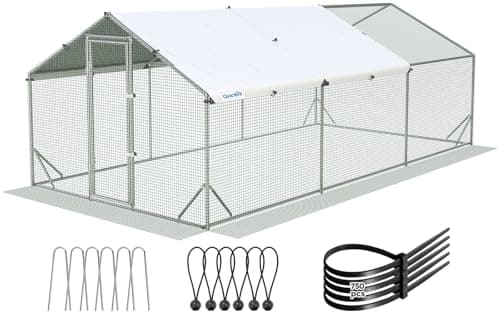
Best Walk-In
162 sq ft of galvanized walk-in run, and the only one in this group whose listing says hardware cloth rather than 'wire mesh'. That one word is the difference between a run that stops a raccoon and one that does not.
Top pick: Quictent 18 x 9 x 6.6ft Metal Coop Run with Hardware Cloth
Penn State Extension puts a large chicken at 2 sq ft of coop floor and 10 sq ft of run. Most coops are sold for roughly twice the flock they can actually house, so every page below does the arithmetic before it recommends anything.
Eight sections, 89 guides and rankings. Every one of them cites where its figures came from.
20 pages
Most coops are sold for roughly twice the flock they can actually house. This section does the arithmetic before you spend anything.
11 pages
Most of what looks like appetite is waste. Feeder design is how you stop it, and it is the one upgrade that pays for itself.
10 pages
Water is the one thing a flock cannot go a day without. These are two separate problems, and one product rarely solves both.
9 pages
Extension guidance advises against supplemental coop heat, and the reason is fire risk near dry bedding. Here is what to do instead — and how to do it safely if your case is the exception.
10 pages
Twenty-one days at 99.5 degrees, then six weeks of brooding. The hard part is humidity, and the part people forget is the brooder.
9 pages
A 12-inch cube, mounted below the roost, in the darkest corner. The details after that decide whether hens use it at all.
10 pages
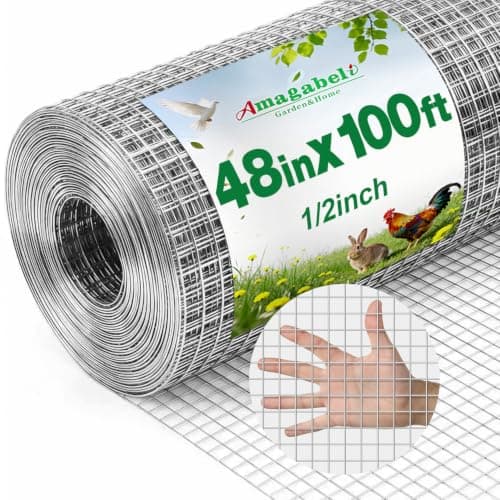
Chicken wire keeps chickens in. It does not keep predators out. That single distinction explains most backyard losses.
10 pages
What to buy, in what order, with published figures rather than folklore — and a clear line between what you need and what can wait.
Every price comes from a live Amazon data feed with a visible date. If the daily refresh stops, the numbers disappear rather than going stale — the failure mode is silence, not a wrong claim.
Space, feed, water and temperature numbers come from university extension services, and every page names the source. Where no authoritative figure exists, the page omits the number.
Where a manufacturer does not publish a figure, our tables say so. We would rather print the gap than fill it with a plausible estimate.
We do not run a product testing lab. Picks are assessed on specifications, capacity maths and the pattern of verified owner reports — and every card says so.
The four pages that carry the argument of the whole site.
Read this first
The sizing table the rest of this site is built on, with the extension sources and a method for checking any listing.
Read this first
The full starter list, split into day-one essentials and things that can wait, with the sizing figures for each.
Read this first
The single most useful distinction in predator protection, with the gauges, the openings and where each belongs.
Read this first
The short answer is no, for healthy adult hens — and the reasons are about fire risk and moisture, not toughness.
Chickens & Coops is reader-funded. When you buy through a link here we may earn a commission from the retailer, at no extra cost to you. That funding never decides a ranking: where the cheaper option is the right answer we say so, and where we think you should buy nothing — a coop heater, for most flocks — we say that too. Health pages carry no product links at all. Every price shown comes from a live data feed with the date it was verified, and 131 products are tracked that way.
Affiliate disclosure · How we pick · Editorial policy · Who writes this
https://chickensandcoops.com